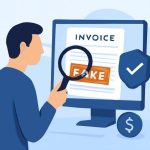
Technical methods to identify manipulated PDFs
A PDF may look authentic at first glance, but a deeper technical inspection often reveals manipulation. Start by examining the file’s metadata and structure: metadata fields such as creation and modification dates, author, and software used can show inconsistencies when a document was altered. Tools like ExifTool, pdf-parser, and qpdf can extract this information and reveal suspicious entries. Pay particular attention to incremental updates—PDFs can be appended without changing the original timestamp, leaving a trail that indicates post-creation edits.
Validate embedded digital signatures and certificates. A valid cryptographic signature proves that a document has not been altered since signing; an invalid or missing signature on supposedly signed paperwork is a major red flag. Standards like PAdES and CMS-based signatures provide cryptographic assurance. Use PDF viewers that show signature validation details rather than simply displaying a “signed” badge.
Inspect the content streams and object references. Malicious or fraudulent authors sometimes hide text in invisible layers, use overlapping objects to obscure edits, or employ flattened images to erase traceable changes. Extracting text with OCR and comparing it to embedded text layers uncovers discrepancies: if the visible text differs from the selectable text layer, manipulation is likely. Look for unexpected embedded fonts or fonts with altered glyphs—these can be used to impersonate corporate typography or mask replaced characters in critical fields like amounts or invoice numbers.
Check for embedded scripts or actions. PDFs can carry JavaScript or launch actions that alter display or content dynamically. While many legitimate PDFs use simple scripting for form behavior, obfuscated scripts or external resource calls may be suspicious. Lastly, perform a binary-level comparison when previous versions exist: hash mismatches or changed cross-reference tables are direct indicators of alteration. Combining metadata checks, signature validation, content-layer inspection, and script analysis provides a robust technical basis to detect pdf fraud and expose hidden manipulations.
How to spot fake invoices and receipts in everyday workflows
Identifying a fraudulent invoice or receipt requires blending document inspection with business-context verification. Start with visible content: compare seller details, logos, and bank account numbers to known vendor records. Small inconsistencies—misspelled company names, altered logo colors, or changed bank digits—can indicate fraud. Check arithmetic accuracy: totals, tax calculations, and line-item amounts should reconcile. Many fraudulent invoices rely on simple math errors to slip through automated checks.
Examine formatting and layout for anomalies. Inconsistent fonts, uneven margins, or mismatched spacing between lines suggest copy-paste or image assembly rather than a professionally generated invoice. High-resolution printing artifacts mixed with low-quality image segments often mean parts of the document were pasted in. For receipts, verify date/time stamps, transaction IDs, and masked card details against point-of-sale records—mismatches between the receipt and internal transaction logs are strong indicators of forgery.
Verify the supplier communication channel. Unexpected invoices sent from new or free email domains, or that insist on urgent bank transfers with changed payment instructions, are classic social-engineering tactics. Implement a vendor validation practice: confirm account changes through an independently known phone number, not by replying to the email that requested the change. Use online verification tools to detect fake invoice documents or to compare suspicious PDFs to known-good templates. Automated systems that flag unusual vendor-bank pairings, payment frequency changes, or identical invoices submitted by different email addresses can significantly reduce exposure.
Finally, keep an eye on behavioral red flags: pressure to bypass normal approval workflows, requests for immediate payment, or invoices just under approval thresholds. Training staff to question anomalies and to route questionable documents for forensic review builds a human layer of defense that complements technical detection methods and helps detect fraud invoice attempts before payment is made.
Case studies and prevention strategies to reduce PDF-related fraud
Real-world incidents illustrate common attack patterns and effective defenses. In one case, a mid-sized company received a seemingly legitimate supplier invoice that matched previous formatting exactly but contained a changed bank account. Automated checks passed because the invoice numbers and totals were consistent; the change was discovered only after a finance clerk noticed a subtle font difference in the account field. Policy changes that followed included mandatory vendor account-change confirmation via phone and dual-approval for all first-time account updates, measures that stopped subsequent attempts.
Another example involved expense receipts submitted by employees. Fraudsters created high-resolution images of legitimate receipts and altered amounts before embedding them in PDFs. OCR-based auditing caught discrepancies between line-item text and embedded metadata, revealing the manipulation. The organization introduced random receipt audits, integrated expense-reporting software that cross-references merchant APIs, and required receipts to be uploaded in the original image format to preserve EXIF data—actions that substantially reduced false claims.
Prevention strategies should combine policy, training, and technology. Enforce multi-factor verification for vendor changes, implement two-step approvals for large or unusual payments, and require cryptographic signing for critical documents. Use enterprise tools that scan incoming PDFs for embedded scripts, malformed objects, and mismatched text layers to detect fraud in pdf at the perimeter. Maintain a whitelist of trusted vendors and templates, and employ anomaly detection systems that flag deviations from historical patterns.
Regular audits, simulated phishing and invoice-fraud drills, and clear escalation paths for suspicious documents cultivate organizational resilience. When detection tools and human vigilance are aligned, the ability to uncover forged invoices, altered receipts, and other manipulated PDFs improves dramatically, reducing financial loss and reputational damage while creating a repeatable process to respond to future incidents.