about : Upload
Drag and drop your PDF or image, or select it manually from your device via the dashboard. You can also connect to our API or document processing pipeline through Dropbox, Google Drive, Amazon S3, or Microsoft OneDrive.
Verify in Seconds — Our system instantly analyzes the document using advanced AI to detect fraud. It examines metadata, text structure, embedded signatures, and potential manipulation.
Get Results — Receive a detailed report on the document's authenticity—directly in the dashboard or via webhook. See exactly what was checked and why, with full transparency.
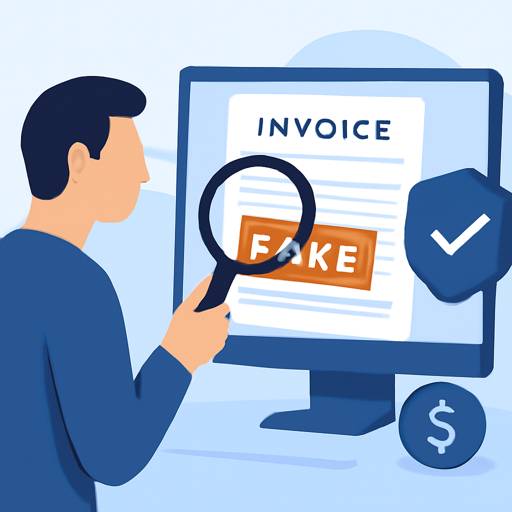
How forensic document analysis spots a fake invoice
Detecting a fake invoice begins with layers of forensic checks that go beyond a casual visual inspection. At the technical level, the first line of defense is analysis of file metadata — timestamps, authoring software, modification history, and origin paths can indicate whether a file was generated legitimately or altered. Optical character recognition (OCR) converts scanned images or PDFs into searchable text so automated rules can compare line items, totals, tax calculations, and consistent formatting. Invoices that contain subtle inconsistencies in math, mismatched currency codes, or improbable tax breakdowns are immediate red flags.
Typography and layout analysis are powerful when combined with AI. Machine learning models trained on thousands of genuine invoices can detect anomalous fonts, spacing, logo distortions, or placement changes that human eyes miss. Embedded signatures require signature verification: comparing vector paths or pixel-level features against stored genuine signatures, examining compression artifacts, and testing for copy-paste evidence. For images, image forensics looks for cloning, inconsistent noise levels, or mismatched compression across regions. A mismatched noise profile or duplicated background texture often means an element was pasted from another source.
On the content side, semantic checks validate supplier names, addresses, and bank details. Cross-referencing payment instructions with known vendor records and public registries can reveal spoofed accounts. Automated systems also analyze invoice numbering sequences and frequency patterns; sudden jumps or duplicated invoice numbers from the same vendor may indicate fraud. Combining these approaches—metadata, OCR, image forensics, signature verification, semantic and pattern checks—creates a robust detection framework that flags suspicious invoices for human review rather than relying on a single indicator.
Practical workflows and tools businesses should use to prevent invoice fraud
Implementing a repeatable workflow is crucial for organizations that want to reduce exposure to fake invoices. Start with an intake process that standardizes how invoices enter your system: require electronic submission through a secure portal or integrate with an API so documents are automatically logged and scanned. When upload triggers automatic checks, the system should run layered analyses—OCR extraction, bank account verification against whitelists, vendor identity verification, and checksum validation for totals. This automated triage reduces the workload on accounts payable teams and ensures suspicious items are quarantined.
Integration options matter. Connecting cloud storage services and enterprise resource planning systems enables continuous validation without manual file handling. Use an API-enabled engine that returns a detailed authenticity score and the specific reasons behind any suspicion so controllers can act quickly. For new vendor onboarding, require multi-factor verification: official registration documents, tax IDs, known contact numbers, and a test payment to a verified account before allowing large invoices. Train staff to treat change requests for payment details as high risk and always require verbal confirmation to previously known contacts.
Design clear escalation paths: invoices flagged for anomalies should go to a fraud analyst or a senior finance approver and be tracked in a case management system. Maintain an audit trail for each invoice—who accessed it, what checks were run, and the final disposition. For organizations seeking an out-of-the-box solution to detect fake invoice submissions at scale, choose tools that provide transparent reporting and webhook notifications so finance and security teams are synchronized. Regularly update vendor whitelists and machine learning models with confirmed fraud examples to improve future detection rates.
Real-world examples and lessons learned from invoice fraud cases
Examining real incidents helps teams design smarter defenses. One common scam involves vendor impersonation: a fraudster learns a supplier that regularly invoices a company, sends an email from a lookalike domain, and submits an invoice with a changed bank account. In several documented cases, payments were directed to fraudulent accounts within hours because AP teams did not validate changes to payment instructions. The key lesson: implement mandatory verification for any bank detail updates, and flag invoices that deviate from historical payment behavior.
Another frequent pattern is bulk attack campaigns that target mid-sized organizations with small, plausible invoice amounts. These fly under the radar of routine reconciliations. Organizations that implemented automated OCR and pattern analytics detected these campaigns by identifying clusters of similar invoice templates and uncommon vendor contact information. In one case study, a company prevented $120,000 in unauthorized payments by using document forensics to find duplicated logo assets and mismatched metadata that revealed the invoices were generated using consumer PDF editors rather than corporate invoicing software.
Internal fraud is also a risk: rogue employees submitting fabricated supplier invoices or colluding with external actors. Case reviews highlight the importance of segregation of duties, reconciliation, and periodic supplier audits. Cross-departmental checks, such as matching purchase orders, delivery receipts, and invoice dates, often expose inconsistencies. Practical defenses combine technology—automated checks, webhook alerts, vendor whitelists—with process controls—mandatory approvals, contract linkage, and random audits—to create multiple barriers that deter both external and internal fraud attempts.